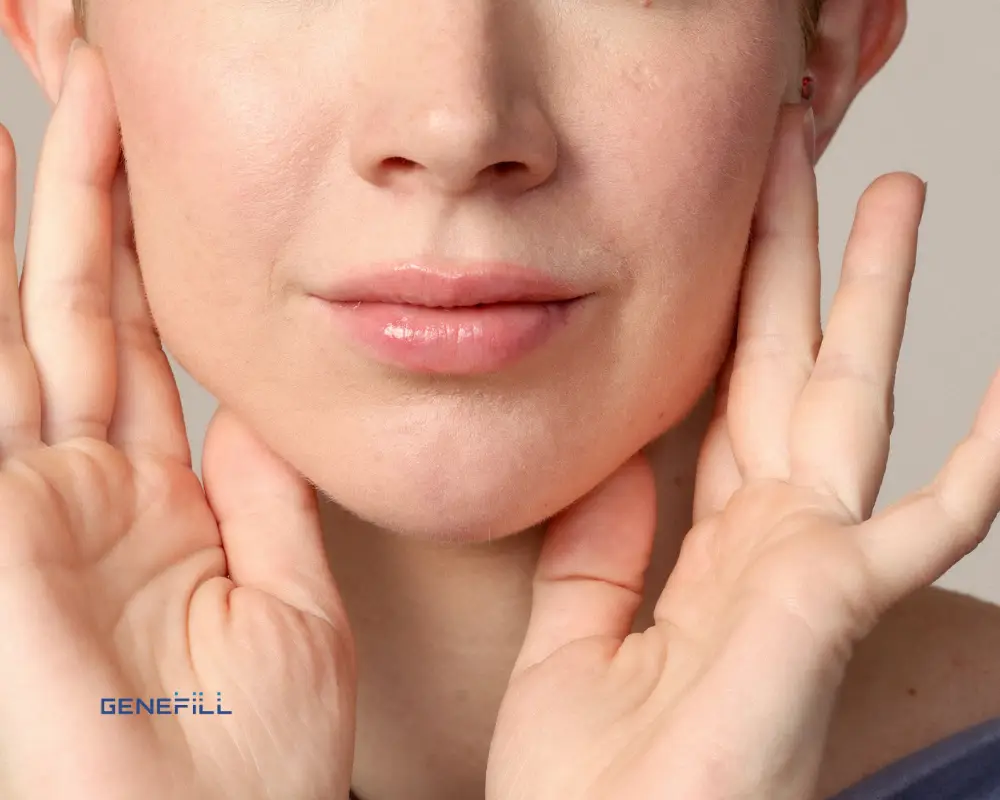


You have not changed your skincare routine. It’s the same cleanser, the same moisturiser, the same SPF, maybe even the same effort to drink more water. But after a few busy weeks, a long flight, or one too many late nights, your face can start to look like it is carrying more than your schedule.
The skin may feel tighter, the glow may look softer, and the area around the eyes may appear more tired, leaving the face looking dull, flat, or less refreshed than usual.
This is one of the reasons more people are searching for answers to questions like how does travel affect your skin, how to fix tired-looking skin, and what are the signs of stress on the face. Modern life affects the skin in ways that are not always dramatic at first, but the changes can become more visible when travel, stress, dehydration, and lack of recovery start to build up.
The goal is not to panic every time your face looks tired. It is to understand what it may be responding to, so you can choose the right kind of support.
How Does Travel Affect Your Skin?
Travel affects the skin by disrupting hydration, sleep, routine, and recovery. Even one trip can leave the face looking dull or tired, while frequent travel may make dehydration, uneven texture, and jet lag skin more noticeable over time.
Flights are a common trigger because cabin air is much drier than the environment you are used to. During a flight, the skin can lose moisture more quickly, which is why it may feel tight, look less radiant, or appear slightly less plump after landing. This is also why people often search for the best way to hydrate skin after a flight, especially when moisturiser alone does not seem to bring the plumpness and hydration back fully.
Travel also affects the body’s rhythm. Time zone changes, interrupted sleep, different climates, reduced water intake, and changes in diet can all influence how the skin looks and feels. For frequent travellers, the effects can become familiar: dullness, tired-looking eyes, reduced glow, and a complexion that looks harder to revive with topical products alone.
A good travel skin care routine can help protect the barrier and reduce dryness. Hydrating before and after a flight, using gentle barrier-supporting products, applying SPF, and avoiding harsh exfoliation while travelling can all support recovery. But when the face starts looking tired from within, surface care may not be the full answer.
Stress and Skin: Why Your Face Shows What You Feel
The connection between stress and skin is something many people notice before they can explain it. After a stressful period, the face can look more drawn, dull, reactive, or fatigued, even when the skincare routine has stayed the same.
Stress can affect the skin in several indirect ways. It can disrupt sleep, influence hydration habits, increase facial tension, and make the face feel more sensitive or less balanced. Over time, these lifestyle factors can affect how fresh, rested, and healthy the face appears.
The signs of stress are often subtle rather than dramatic. It may look less radiant, fine lines may appear more noticeable, the under-eye area may seem more tired, and the complexion may lose some of its natural glow. Some people also notice that their skin feels more reactive, dry, or harder to calm.
This is why the question “why does stress cause sunken eyes?” comes up so often. In many cases, a tired under-eye appearance is influenced by a combination of fatigue, dehydration, natural anatomy, and changes in facial volume. It is rarely about one factor alone, which is why the right approach usually starts with understanding what is contributing to the concern.
The Link Between Dehydration and Facial Freshness
Dehydrated skin is not only about dryness, it can also change the way the face looks. When the skin lacks moisture, it may appear dull, tight, uneven, or less smooth. It may also reflect light less evenly, which can make the complexion look tired even when it is not necessarily unhealthy.
This is where hyaluronic acid hydration becomes important. Hyaluronic acid is widely used in skincare and aesthetic medicine because of its ability to attract and hold water. In topical products, it can help support surface hydration. In injectable treatments, hyaluronic acid may help support hydration and tissue quality from within, depending on the product used, treatment area, and individual patient needs.
It is also useful to separate dehydration from volume loss. Dehydration can make skin look tired and less radiant, while facial volume changes can affect structure, softness, and balance. In real life, these concerns can overlap, especially when travel, stress, and age-related changes are all part of the picture.
That is why hyaluronic acid fillers, skin boosters, and other injectable treatments are increasingly discussed in relation to tired-looking skin. The aim is not to change the face, but to support hydration, skin quality, and natural facial balance in a way that still feels personal.
Why Skincare Sometimes Has a Ceiling
A strong routine is still essential. Cleansers, moisturisers, SPF, antioxidants, and barrier-supporting ingredients all play a role in keeping the skin comfortable and healthy-looking. For surface dryness, sensitivity, and texture, topical products can make a real difference.
However, even the best skincare routine has a natural limit. Topical products mainly work at the surface of the skin. They can support barrier repair, improve surface hydration, and help protect it from environmental stressors, but they cannot address every concern linked to deeper hydration, tissue support, or facial volume.
That does not make skincare less valuable. It simply means that some concerns need a different level of support. If the face looks persistently tired despite a good routine, or if travel and stress are making the skin appear duller and flatter than usual, it may be worth considering what is happening beneath the surface.
For many people looking for travel fatigue remedies, the most effective approach is not choosing between skincare and aesthetic treatments. It is understanding how they can work together.
If the skin still looks tired despite a consistent routine, a professional assessment can help determine whether it needs deeper hydration, subtle volume support, or a more targeted skin quality treatment.
Where Genefill Fits In
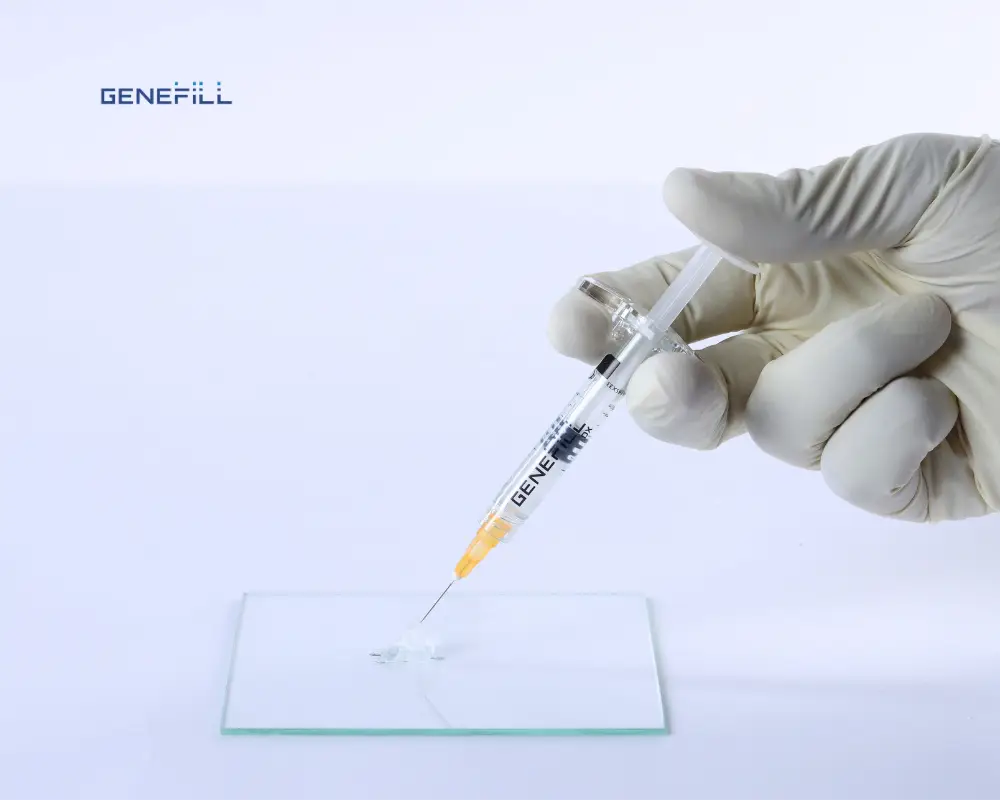
Genefill fits naturally into this conversation because it supports a personalised approach to non-surgical facial rejuvenation. The range includes hyaluronic acid filler options that can be selected according to different aesthetic needs, from hydration and skin quality to subtle structure, contouring, and facial volume restoration.
For lifestyle-related concerns, the goal should not be dramatic change. It should be to help the face look more rested, balanced, and refreshed while maintaining natural expression and individuality.
In this context, hyaluronic acid fillers can support modern aesthetic treatment planning by addressing concerns that topical skincare may not fully reach. Depending on the product used and the patient’s needs, a Genefill treatment may help support hydration, skin quality, natural-looking volume, smoother-looking texture, and facial harmony.
For patients searching for the benefits of Genefill for face, the value lies in flexibility. Different concerns require different approaches, and the Genefill range allows qualified practitioners to tailor treatment according to the treatment area, skin condition, facial structure, and desired result.
Genefill Fine for Hydration and Skin Quality
When the complexion feels dry, dull, or depleted, Genefill Fine may be a relevant option. It is a skin booster designed to support hydration and tissue quality rather than dramatic volume.
This makes it a useful option for patients who are more concerned with freshness, texture, and radiance than contouring. For someone who travels often, works long hours, or feels their face looks tired despite consistent skincare, this product can fit into a maintenance-focused aesthetic plan.
With results lasting up to 30 days, Genefill Fine may be considered as part of a regular routine for patients looking to support facial dehydration, dullness, and overall skin quality from beneath the surface. It is not a replacement for skincare, but it may offer a deeper layer of support when topical hydration is not enough.
Genefill DX for Tired-Looking Facial Features
For concerns that go beyond dehydration, Genefill DX may be considered as part of a more comprehensive treatment plan. It is a hybrid biostimulatory HA filler designed to support both structure and skin quality.
Genefill DX combines hyaluronic acid with dextranomer microspheres, which are associated with gradual collagen-related activity over time. This makes it relevant for patients whose face looks tired, less defined, or even less supported, especially when both tissue quality and subtle volume support are part of the concern.
Rather than focusing only on filling, Genefill DX reflects the wider shift toward preventative aesthetics, skin quality improvement, and natural-looking rejuvenation. For people searching for a hyaluronic acid filler treatment best suited for them, the most important step is still a personalised consultation.
Building a Routine That Reflects Real Life
The best approach to a tired-looking complexion is usually layered. Skincare matters, lifestyle habits matter, and professional treatments may also play a role when the concern is deeper than the surface.
A realistic routine may include hydrating before and after travel, supporting the barrier with gentle skincare, using SPF consistently, prioritising sleep where possible, managing stress realistically, and avoiding harsh products when the skin feels reactive.
It may also include skin rejuvenation treatments for some patients. This could mean a skin booster to support hydration and radiance, or a more tailored Genefill treatment plan to address subtle volume changes, skin quality, and facial balance.
The goal is not to chase perfect skin or erase every sign of a busy life, but to help it recover better, maintain freshness for longer, and support a face that looks more aligned with how the person wants to feel.
The Bottom Line
Modern life can be hard on the face. Travel, stress, dehydration, lack of sleep, and daily pressure can all contribute to skin that looks dull, tired, or less radiant than usual.
Understanding these changes makes it easier to respond in a more meaningful way. Sometimes, that means improving your travel routine. Sometimes, it means adjusting lifestyle habits, and sometimes, it means considering injectable treatments that work beneath the surface to support hydration, skin quality, and natural-looking facial balance.
Genefill offers a range of hyaluronic acid fillers and facial-focused treatment options that can be tailored to different needs, from hydration support to subtle volume and facial contouring.
For anyone wondering how to fix tired looking skin, the answer starts with understanding what your skin is responding to, then choosing the right level of support.
To learn more about Genefill treatments and find the right approach for your aesthetic goals, contact us today.
FAQs
How does travel affect your skin?
Travel can affect skin by contributing to dehydration, disrupted sleep, environmental exposure, and changes in routine. This may lead to dullness, tightness, uneven texture, and a tired-looking complexion, especially after frequent flights or long-haul travel.
What is the best way to hydrate skin after a flight?
The best way to hydrate skin after a flight is to drink water, use gentle barrier-supporting skincare, apply moisturiser, and avoid harsh exfoliation immediately after travel. For deeper hydration support, some patients may consider a hyaluronic acid skin booster after consultation with a qualified practitioner.
What are the signs of stress on the face?
Common signs of stress on the face include dullness, dryness, increased sensitivity, tired-looking eyes, more visible fine lines, facial tension, and a less refreshed appearance. Stress can also affect sleep and hydration, which may make the face look more fatigued.
How can I fix tired-looking skin?
Tired-looking complexion can often be improved with better hydration, consistent skincare, sleep support, stress management, and professional treatments when needed. Options such as skin boosters or hyaluronic acid fillers may help support hydration, skin quality, and facial balance in suitable patients.
Can dermal fillers help with travel fatigue skin?
Dermal fillers may help when travel fatigue is linked to volume loss, dehydration-related dullness, or a tired-looking facial appearance. The right treatment depends on the cause, the area of concern, and the patient’s facial anatomy.
What is Genefill Fine used for?
Genefill Fine is a hyaluronic acid-based skin booster designed to support hydration, texture, and radiance. It may be suitable for patients who want to improve the appearance of dehydrated or dull-looking skin without focusing primarily on volume.
What is Genefill DX used for?
Genefill DX is a hybrid biostimulatory HA filler used in treatment plans where both skin quality and subtle structural support are being considered. It may be suitable for patients looking for natural-looking rejuvenation and support for tired-looking facial features.
Is Genefill safe for tired skin?
Genefill is made with hyaluronic acid of non-animal origin and is CE-certified, supporting its quality and safety profile as a professional aesthetic medical device. However, tired-looking skin can have different causes, so suitability for Genefill facial filler treatment should always be assessed by a trained and qualified aesthetic practitioner.
.webp)